
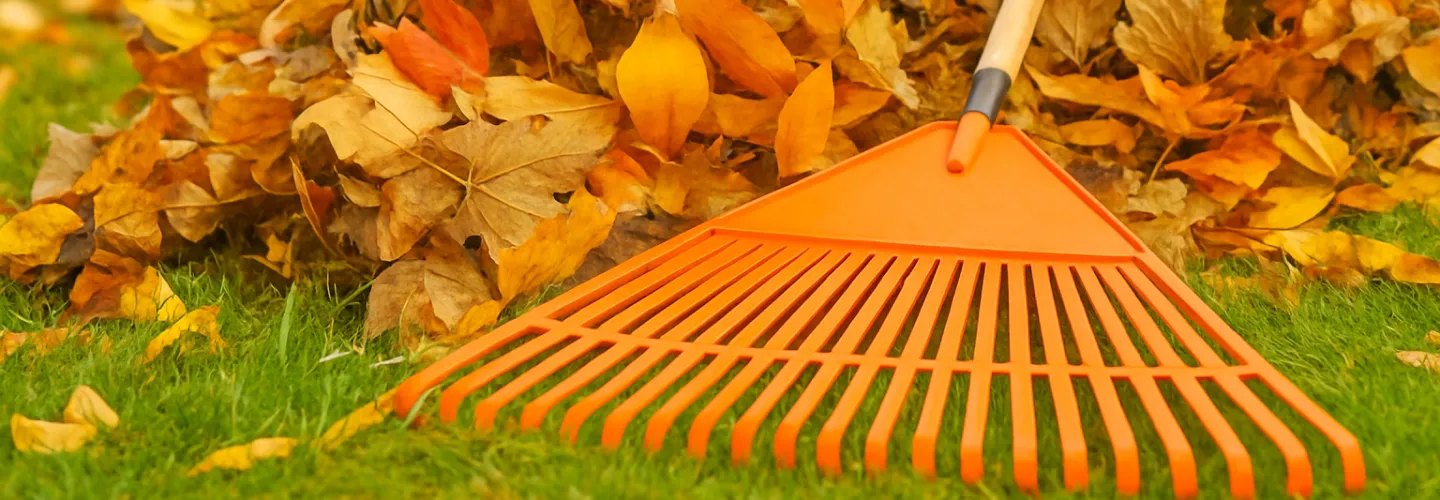
Hamilton Brush Removal Services
Choose our professional brush removal services in Hamilton for fast, thorough, and eco-friendly clearing—making your property safer, cleaner, and ready for your next project.
Get a Free QuoteOur Hamilton Landscaping & Yard Care Services
When to Schedule Brush Removal in Hamilton, Ohio – Seasonal Guide
In Hamilton, Ohio, timing your brush removal is crucial for maintaining a healthy and attractive landscape. The best periods are typically late winter through early spring, just after the last frost but before new growth begins. This window allows for easier access to brush and minimizes disruption to native plants and wildlife. Hamilton’s climate, with its humid summers and cold winters, means that brush can accumulate quickly, especially in shaded areas like those near Millikin Woods or along the Great Miami River corridor.
Local environmental factors such as heavy clay soils, variable rainfall, and the risk of late spring frosts should all be considered. For example, neighborhoods like Lindenwald and Highland Park often experience dense shade and higher humidity, which can accelerate brush growth and complicate removal. Always check for municipal guidelines or seasonal restrictions, which can be found on resources like the City of Sudbury’s website, to ensure compliance and optimal timing.
Local Factors to Consider for Brush Removal in Hamilton
- Tree density and type (e.g., mature oaks in Rossville vs. younger maples in New London)
- Terrain and slope, especially in areas near the river or on elevated lots
- Average precipitation and risk of drought during summer months
- Frost dates and the timing of spring thaw
- Municipal restrictions or neighborhood association guidelines
- Soil type, particularly heavy clay common in Hamilton
- Shade coverage from large tree canopies
Benefits of Brush Removal in Hamilton

Enhanced Curb Appeal
Improved Lawn Health
Reduced Fire Hazards
Increased Usable Space
Pest Prevention
Professional and Efficient Service
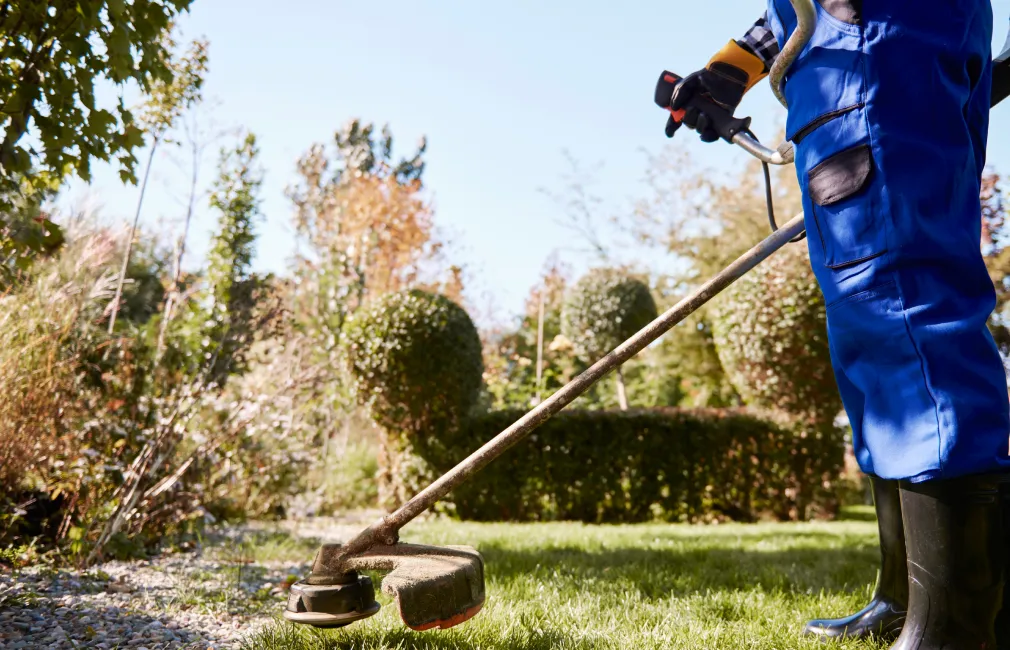
Hamilton Brush Removal Types

Manual Brush Clearing
-
Mechanical Brush Removal
-
Forestry Mulching
-
Selective Brush Cutting
-
Stump Grinding
-
Land Grading and Leveling
-
Debris Hauling and Disposal
Our Brush Removal Process
Site Evaluation
Safety Preparation
Brush Clearing
Debris Removal
Final Inspection
Why Choose Hamilton Landscape Services
-
Hamilton Homeowners Trust Us
-
Expert Lawn Maintenance
-
Reliable Seasonal Cleanup
-
Competitive Pricing
-
Professional Team
-
Satisfaction Guarantee
-
Personalized Service
Hamilton’s Brush and Yard Waste Collection: Schedules, Containers, and Ordinance Compliance
Brush removal in Hamilton is governed by specific municipal procedures to ensure orderly collection and environmental protection. The City of Hamilton provides weekly curbside brush and yard waste pickup every Thursday from April through November. Residents must use biodegradable paper bags or reusable bins (32-gallon maximum) for loose brush, while bundled branches must not exceed 4 feet in length or 4 inches in diameter. Plastic bags are strictly prohibited. Collection is limited to:
- Leaves, grass clippings, and brush under 4 feet
- Bundled branches tied with natural twine
- No stumps, logs, or construction debris
Equipment operation for brush removal is permitted:
- Monday-Friday: 7:00 AM - 7:00 PM
- Saturday: 8:00 AM - 6:00 PM
- Sunday and holidays: Prohibited
Violations of these ordinances may result in fines. For detailed collection guidelines and ordinance enforcement, coordinate with:
City of Hamilton Public Works Department
345 High Street, Hamilton, OH 45011
Phone: (513) 785-7280
Official Website: City of Hamilton Public Works Department
Soil Series and Drainage Considerations for Brush Removal in Hamilton
Hamilton’s predominant soils, including the Miamian and Rossmoyne silt loams, are characterized by moderate to poor drainage and a pH range of 6.0-6.8. These glacial till soils often exhibit seasonal water tables at 18-24 inches, which can complicate heavy equipment access and increase the risk of rutting during wet periods. When removing brush, it is recommended to:
- Schedule heavy removal for late spring or early fall when soils are firm
- Use tracked equipment to minimize compaction
- Avoid operations during saturated conditions to prevent soil structure damage
- Incorporate 2-3 inches of compost to restore organic matter after disturbance
For site-specific soil data, consult the USDA Web Soil Survey. Soil testing is available through OSU Extension for $15-25 per sample.
Environmental Compliance: Wetland Buffers and Stormwater Protection in Hamilton
Brush removal activities in Hamilton must comply with local, state, and federal environmental regulations to protect sensitive areas such as the Great Miami River, Mill Creek, and adjacent wetlands. The Ohio Environmental Protection Act and the Clean Water Act require:
- Maintaining a 25-foot no-disturbance buffer from wetlands and streams
- Prohibiting brush or debris disposal in storm drains (MS4 permit compliance)
- No fertilizer or chemical application within 50 feet of water bodies
- Erosion control measures (silt fence, straw wattles) on slopes or near water
For questions on environmental compliance, contact:
Ohio Environmental Protection Agency Butler County Contacts
Phone: (937) 285-6357
Official Website: Ohio Environmental Protection Agency Butler County Contacts
Safety Protocols and Equipment Standards for Brush Removal in Hamilton
Hamilton enforces strict safety standards for brush removal operations, especially near public rights-of-way and utility corridors. All personnel must use:
- ANSI Z87.1 safety glasses
- Hearing protection for equipment exceeding 85 dB
- Steel-toed boots with non-slip soles
- High-visibility vests when working within 50 feet of roadways
Maintain a 15-foot clearance from overhead power lines and contact Ohio’s Dig Safe (811) at least 72 hours before ground disturbance. Commercial-grade chippers and saws must be inspected every 25 operating hours. Traffic control is required for work near streets, including advance warning signs and safety cones. For additional safety guidance, coordinate with:
City of Hamilton Engineering Department
345 High Street, Hamilton, OH 45011
Phone: (513) 785-7350
Official Website: City of Hamilton Engineering Department
Seasonal Timing and Weather Considerations for Brush Removal in Hamilton’s Climate Zone
Hamilton is located in USDA Hardiness Zone 6a, with average annual minimum temperatures of -10°F to -5°F. The optimal window for large-scale brush removal is from April 15 to June 15 and September 1 to October 31, when soil moisture is moderate and vegetation is not actively growing. Avoid removal during:
- March and early April (soil thaw and excess moisture)
- July-August (heat stress and drought risk)
- Late November-March (frozen or saturated soils)
Monitor local weather forecasts through the National Weather Service Wilmington Office to avoid operations during heavy rain or high wind events. For climate-specific recommendations, consult OSU Extension.
What Neighborhoods Do We Serve Throughout Hamilton, OH?
- North End: Characterized by mature tree canopies and compacted urban soils, requiring careful equipment access and frequent brush management due to dense vegetation.
- Highland Park: Features well-drained Rossmoyne silt loam soils and larger lot sizes, allowing for efficient brush removal but necessitating attention to stormwater runoff near Mill Creek.
- German Village: Historic district with narrow streets and older infrastructure, where brush removal must comply with preservation guidelines and limited equipment access.
- West Side: Includes floodplain areas adjacent to the Great Miami River, with periodic high water tables and restrictions on debris disposal near protected riparian zones.
- East Hamilton: Mix of residential and commercial properties, often with fill soils and variable drainage, requiring tailored removal strategies and coordination with city code enforcement.
- New London: Recent development with HOA requirements for brush maintenance and strict adherence to city noise ordinances during removal operations.
- Riverside: Proximity to conservation areas and wetlands demands compliance with buffer regulations and specialized erosion control during brush clearing.