
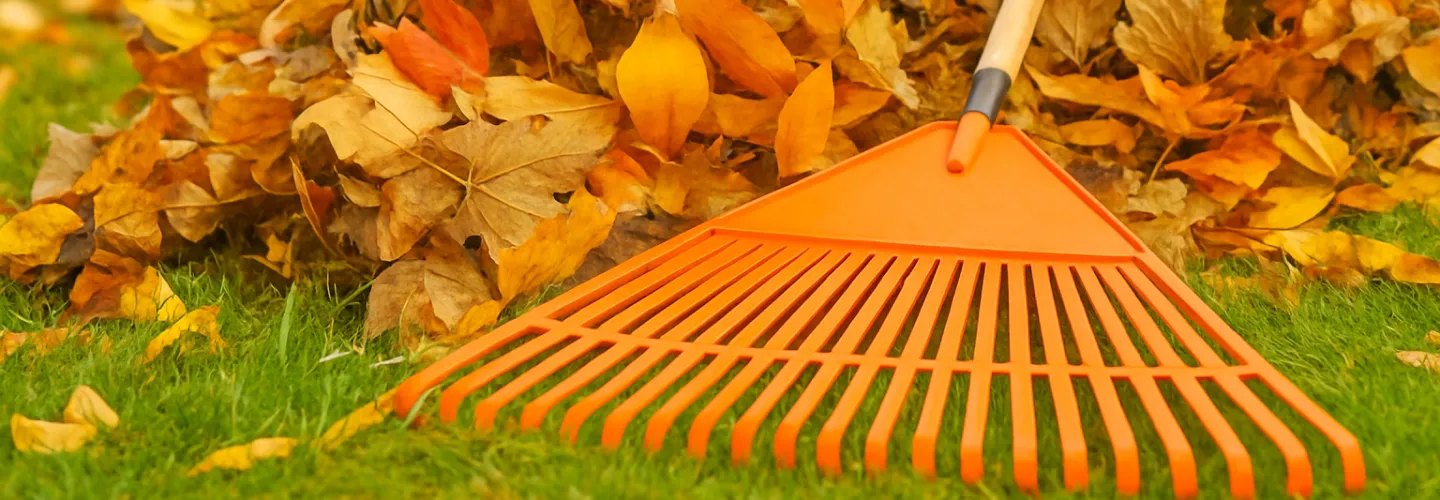
Hamilton Junk Removal Services
Choose our junk removal experts for fast, reliable, and eco-friendly service that makes clearing out your home or business effortless and affordable.
Get a Free QuoteOur Hamilton Landscaping & Yard Care Services
When to Schedule Junk Removal in Hamilton, Ohio – Seasonal Guide
Hamilton, Ohio’s unique blend of rolling terrain, mature tree canopies, and variable weather patterns means that timing your junk removal can make a significant difference in efficiency and curb appeal. The optimal periods for junk removal typically fall in early spring, after the last frost, and late autumn, before winter sets in. These windows allow homeowners in neighborhoods like Lindenwald and Highland Park to clear out debris and unwanted items without battling extreme humidity or muddy conditions.
Local environmental factors such as the city’s clay-heavy soils, frequent spring rains, and dense shade coverage in areas near the Great Miami River can impact accessibility and scheduling. For example, heavy precipitation in April and May may delay removal services, while the drier conditions of late summer are ideal for tackling larger projects. Additionally, municipal guidelines and seasonal restrictions—often updated on the official city website—should be reviewed before scheduling your service.
Local Factors to Consider for Junk Removal in Hamilton
- Tree density and leaf drop, especially in older neighborhoods
- Soil type and drainage, affecting equipment access
- Seasonal precipitation and humidity levels
- Proximity to landmarks like Pyramid Hill Sculpture Park
- Municipal restrictions or scheduled bulk pickup dates
- Terrain slope and accessibility for removal vehicles
Benefits of Junk Removal in Hamilton

Fast and Reliable Service
Eco-Friendly Disposal
Experienced Landscaping Team
Affordable Pricing Options
Comprehensive Clean-Up
Flexible Scheduling
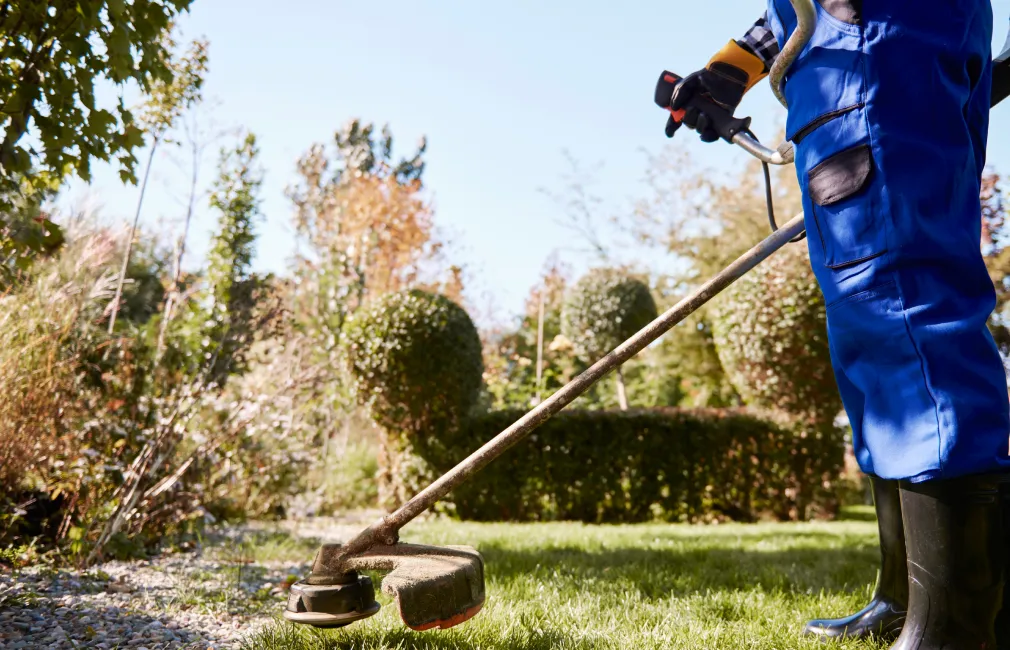
Hamilton Junk Removal Types

Yard Waste Removal
-
Tree Branch and Brush Disposal
-
Soil and Sod Removal
-
Landscape Debris Cleanup
-
Garden Structure Removal
-
Mulch and Rock Hauling
-
Old Fence and Deck Removal
Our Junk Removal Process
Site Evaluation
Customized Plan
Efficient Removal
Responsible Disposal
Why Choose Hamilton Landscape Services

-
Hamilton Homeowners Trust Us
-
Expert Lawn Maintenance
-
Reliable Seasonal Cleanup
-
Competitive Pricing
-
Professional Team
-
Satisfaction Guarantee
-
Personalized Service
Hamilton’s Municipal Bulk Waste Collection Procedures and Compliance
Bulk waste and junk removal in Hamilton is governed by city ordinances and coordinated through scheduled municipal collection programs. Residents must adhere to the city’s designated collection days, typically the first full week of each month, with items placed curbside no earlier than 24 hours before pickup. Accepted materials include furniture, appliances (with doors removed), and bundled brush under 4 feet in length, while construction debris, tires, and hazardous waste are strictly prohibited. All items must be contained or bundled to prevent scattering. Violations, such as early placement or non-compliant materials, may result in fines. For detailed collection schedules and accepted item lists, consult the city’s official resources.
City of Hamilton Public Works Department
345 High Street, Hamilton, OH 45011
Phone: (513) 785-7280
Official Website: City of Hamilton Public Works Department
Soil Series and Site Conditions Affecting Junk Removal in Hamilton
Hamilton’s predominant soils, including Miamian silt loam and Rossmoyne silt loam, are moderately well-drained but can exhibit compaction and slow infiltration in urbanized areas. These conditions impact junk removal logistics, especially for heavy or large items requiring equipment access. Wet periods may cause soft ground, increasing the risk of rutting or property damage. Operators should assess soil moisture and avoid heavy equipment use after rainfall or during spring thaw. For accurate soil identification and drainage characteristics, reference the USDA Web Soil Survey. When working near sensitive areas, maintain a 25-foot buffer from wetlands and avoid disturbing native vegetation. Soil compaction can be mitigated by using plywood sheets under equipment and scheduling removal during drier periods.
Environmental Compliance: Stormwater, Wetlands, and State Regulations in Hamilton
Junk removal activities in Hamilton must comply with both local and state environmental regulations, particularly regarding stormwater management and protection of local water bodies such as the Great Miami River. The city operates under an MS4 permit, prohibiting the disposal of debris or liquids into storm drains per the Clean Water Act. Maintain a minimum 25-foot no-disturbance buffer from wetlands and waterways, and never place junk or debris within these zones. The Ohio Environmental Protection Act mandates proper handling of hazardous materials and prohibits illegal dumping. For guidance on environmental compliance and reporting violations, contact:
Ohio Environmental Protection Agency Butler County Contacts
401 East Fifth Street, Dayton, OH 45402
Phone: (937) 285-6357
Official Website: Ohio Environmental Protection Agency Butler County Contacts
Equipment Operation Hours and Safety Standards for Junk Removal in Hamilton
Hamilton enforces strict regulations on equipment operation to minimize noise and ensure public safety during junk removal. Permitted hours for powered equipment are:
- Monday-Friday: 7:00 AM - 7:00 PM
- Saturday: 8:00 AM - 6:00 PM
- Sunday and holidays: Prohibited All operators must use commercial-grade equipment with functioning mufflers, and noise levels must not exceed 85 decibels at the property line. Personal protective equipment (PPE) is required, including ANSI Z87.1 safety glasses, hearing protection for noise above 85 dB, steel-toed boots, and high-visibility vests when working near roadways. Maintain a 15-foot clearance from overhead utilities and never block sidewalks or public rights-of-way. For questions on safety protocols and enforcement, contact:
City of Hamilton Police Department
331 S. Front Street, Hamilton, OH 45011
Phone: (513) 868-5811
Official Website: City of Hamilton Police Department
What Neighborhoods Do We Serve Throughout Hamilton, OH?
- North End: Characterized by older housing stock and narrow alleys, requiring careful equipment access and frequent coordination for bulk pickup due to limited curb space.
- Highland Park: Features mature tree cover and moderate slopes, with seasonal leaf and brush accumulation impacting junk removal logistics and timing.
- West Side: Contains a mix of historic homes and newer developments, with variable lot sizes and occasional floodplain areas near the river necessitating attention to wet ground conditions.
- East Hamilton: Includes denser residential blocks and commercial corridors, where traffic patterns and parking restrictions may affect scheduling and staging of removal operations.
- German Village: Known for brick streets and historic district regulations, requiring compliance with local preservation guidelines and careful handling of debris to avoid property damage.
- New London: Suburban-style lots with newer infrastructure, but occasional compaction and drainage issues after heavy rain, especially in low-lying sections.
Seasonal Timing and Weather Considerations for Junk Removal in Hamilton
Hamilton’s climate, classified as USDA Hardiness Zone 6a, features cold winters and humid summers, with peak junk removal demand in spring (April-May) and fall (September-November). Heavy rainfall in March and April can saturate soils, making heavy equipment use inadvisable due to rutting risks. The National Weather Service Wilmington, OH Office provides up-to-date forecasts to guide scheduling. For optimal results:
- Schedule large removals during dry spells (soil moisture below field capacity)
- Avoid operations during freeze-thaw cycles (late winter/early spring)
- Monitor for severe weather alerts before outdoor work
- Plan for increased volume after citywide events or spring cleaning initiatives For additional seasonal guidance, consult OSU Extension for best practices on debris management and soil protection.