
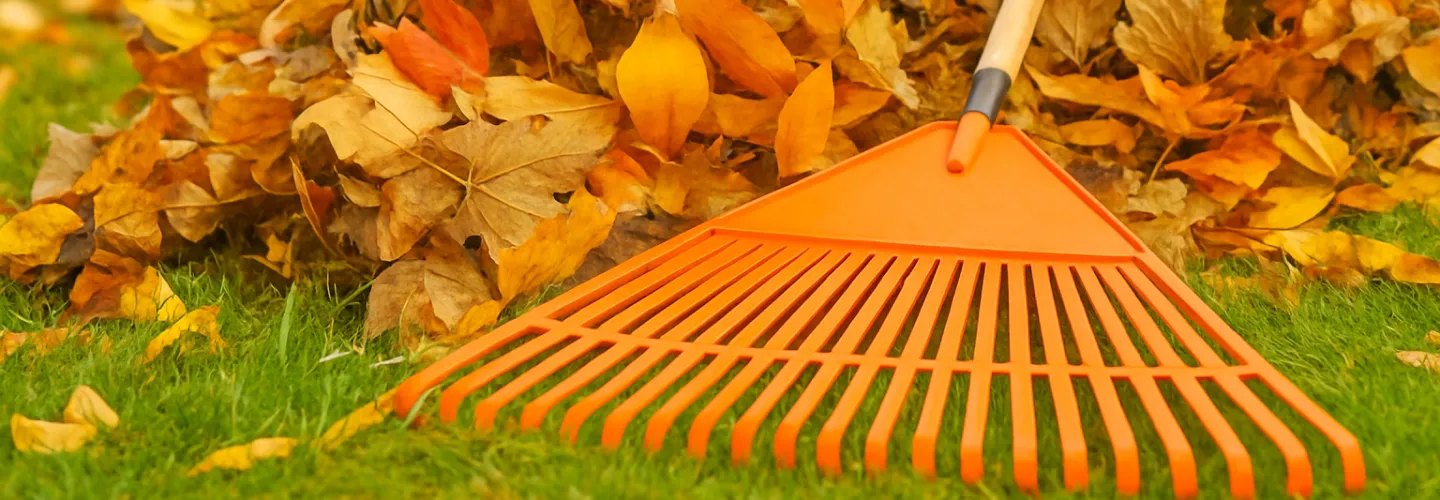
Hamilton Flower Planting Services
Choose our flower planting services for vibrant, healthy blooms and professional care that transforms your outdoor space into a colorful oasis—making your garden the envy of the neighborhood.
Get a Free QuoteOur Hamilton Landscaping & Yard Care Services
When to Schedule Flower Planting in Hamilton, Ohio – Seasonal Guide
In Hamilton, Ohio, timing your flower planting is crucial for vibrant, long-lasting blooms. The city’s climate features cold winters and warm, humid summers, making early spring and late fall the most favorable periods for planting. Local frost dates typically range from mid-April to late October, so scheduling your planting after the last spring frost and before the first autumn frost is ideal. Neighborhoods near the Great Miami River, such as Lindenwald and Highland Park, often experience slightly cooler microclimates, which can affect soil temperature and moisture retention.
When planning your flower beds, consider Hamilton’s unique environmental factors. Areas with dense shade from mature trees, like those near Millikin Woods, may require shade-tolerant varieties and careful soil preparation. Soil composition varies across the city, with some regions having clay-heavy soils that benefit from organic amendments. Additionally, municipal guidelines and seasonal precipitation patterns can influence the best planting windows. For more information on local planting regulations and resources, visit the official municipal website.
Local Factors to Consider for Flower Planting in Hamilton
- Proximity to the Great Miami River and flood-prone zones
- Tree density and available sunlight in neighborhoods like Lindenwald
- Soil type (clay, loam, or sandy) and drainage capacity
- Average precipitation and risk of summer droughts
- Municipal restrictions or guidelines on landscaping
- Terrain slope and erosion risk in hilly areas
- Humidity levels and their impact on plant health
Benefits of Flower Planting in Hamilton
Expert Local Knowledge
Customized Landscape Designs
Seasonal Plant Selection
Enhanced Curb Appeal
Eco-Friendly Practices
Reliable Maintenance Services
Hamilton Flower Planting Types

Annual Flower Beds
-
Perennial Gardens
-
Native Plant Installations
-
Pollinator-Friendly Plantings
-
Seasonal Container Displays
-
Shade Garden Plantings
-
Drought-Tolerant Landscapes
Our Flower Planting Process
Site Evaluation
Soil Preparation
Flower Selection
Planting
Watering and Mulching
Why Choose Hamilton Landscape Services
-
Hamilton Homeowners Trust Us
-
Expert Lawn Maintenance
-
Reliable Seasonal Cleanup
-
Competitive Pricing
-
Professional Team
-
Satisfaction Guarantee
-
Personalized Service
Soil Series and Drainage Considerations for Flower Planting in Hamilton
Hamilton’s predominant soils, including Rossmoyne silt loam and Miamian loam, are characterized by moderate to poor drainage and a pH range of 6.0-7.0, which directly impacts flower planting success. Urban fill soils in older neighborhoods may exhibit compaction, requiring mechanical aeration or deep tilling to a depth of 8-10 inches before planting. Soil testing is strongly recommended through OSU Extension (typical cost: $15-25) to determine amendment needs. For optimal results:
- Incorporate 2-3 inches of compost to a 6-inch depth
- Apply lime if pH is below 6.0
- Use raised beds in areas with seasonal water tables above 18 inches Research local soil series using the USDA Web Soil Survey for site-specific recommendations.
City of Hamilton Public Works Department
345 High Street, Hamilton, OH 45011
Phone: (513) 785-7280
Official Website: City of Hamilton Public Works Department
Seasonal Timing and Weather Guidance for Flower Planting in Hamilton
Hamilton is located in USDA Hardiness Zone 6a, with average last frost dates around April 20 and first frost dates near October 20. For annual flower planting, schedule installation between April 25 and May 20, when soil temperatures consistently exceed 55°F. Perennial planting is best performed from April 15 to May 30 or September 1 to October 10, avoiding summer heat stress. Monitor local forecasts through the National Weather Service Wilmington Office for frost advisories and rainfall patterns. Key timing guidelines:
- Spring planting: April 15 – May 30 (soil temp 55-65°F)
- Fall planting: September 1 – October 10
- Avoid planting during June-August heat
- Water new plantings 1 inch per week during establishment
Native and Recommended Flower Species for Hamilton’s Urban Landscapes
Selecting species adapted to Hamilton’s climate and soils improves establishment and reduces maintenance. Native and regionally adapted perennials are preferred for public and private landscapes. Recommended species include:
- Full sun: Black-eyed Susan (Rudbeckia hirta), purple coneflower (Echinacea purpurea), daylily (Hemerocallis spp.)
- Partial shade: Coral bells (Heuchera americana), astilbe (Astilbe spp.), hosta (Hosta spp.)
- Deer resistant: Lavender (Lavandula angustifolia), Russian sage (Perovskia atriplicifolia), salvia (Salvia nemorosa)
- Native options: Wild bergamot (Monarda fistulosa), Joe Pye weed (Eutrochium purpureum), cardinal flower (Lobelia cardinalis) Spacing should be 12-24 inches depending on mature size. Consult OSU Extension for additional plant selection resources and diagnostic support.
Municipal Coordination and Flower Bed Installation Standards in Hamilton
All flower bed installations in Hamilton must comply with city ordinances regarding property line setbacks, right-of-way encroachments, and public safety. Plantings within 10 feet of sidewalks or intersections must not exceed 30 inches in height to maintain sightlines. Equipment operation for installation is permitted:
- Monday-Friday: 7:00 AM – 7:00 PM
- Saturday: 8:00 AM – 6:00 PM
- Sunday and holidays: Prohibited Debris from planting activities must be disposed of through the city’s weekly yard waste collection (Thursdays, April-November), using biodegradable bags or 32-gallon containers. Plastic bags and branches over 4 inches in diameter are prohibited. Permit requirements may apply for installations in public rights-of-way; review time is typically 5-10 business days.
City of Hamilton Building Department
345 High Street, Hamilton, OH 45011
Phone: (513) 785-7350
Official Website: City of Hamilton Building Department
Environmental Compliance: Stormwater, Buffer Zones, and State Regulations
Flower planting in Hamilton must adhere to Ohio Environmental Protection Act and Clean Water Act requirements, especially near wetlands, streams, and storm drains. The city’s MS4 permit prohibits soil, mulch, or plant debris from entering stormwater inlets. Maintain a 25-foot no-disturbance buffer from wetlands and a 50-foot setback from perennial streams. Fertilizer and pesticide applications are restricted within 50 feet of water bodies. For projects near sensitive areas, coordinate with the Ohio EPA and consult EPA Region 5 for federal compliance. Soil amendments and chemical applications must follow label rates and state guidelines.
Ohio Environmental Protection Agency Butler County Contacts
401 East Fifth Street, Dayton, OH 45402
Phone: (937) 285-6357
Official Website: Ohio Environmental Protection Agency Butler County Contacts
What Neighborhoods Do We Serve Throughout Hamilton, OH?
- North End: Features older urban fill soils with moderate compaction and drainage challenges, requiring soil amendment and aeration for successful flower establishment.
- Highland Park: Characterized by mature tree canopy and partial shade, making it ideal for shade-tolerant perennials and requiring careful species selection to avoid deer browsing.
- West Side: Contains a mix of historic homes and newer developments, with variable lot sizes and proximity to the Great Miami River, necessitating attention to floodplain regulations and buffer zones.
- East Hamilton: Includes areas with heavier clay soils and seasonal water tables, where raised beds and compost incorporation are recommended for optimal drainage.
- German Village: Historic district with narrow streets and limited equipment access, requiring manual installation methods and compliance with local preservation guidelines.
- New London: Suburban neighborhood with larger lots and newer infrastructure, offering flexibility for larger planting beds but subject to HOA landscaping standards.
- Riverside: Located adjacent to conservation areas and wetlands, requiring strict adherence to buffer requirements and environmental compliance for all planting activities.