
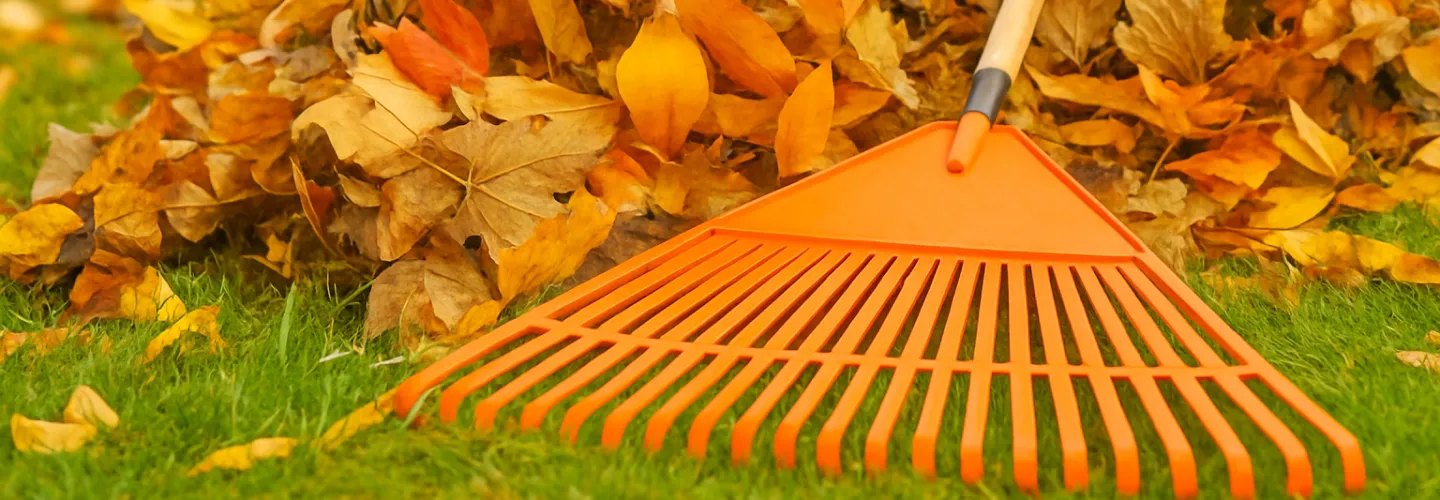
Hamilton Lawn Installation Services
Choose our expert lawn installation for a seamless, hassle-free transformation—enjoy a vibrant, healthy lawn that enhances your home's beauty and value, all backed by our commitment to quality and customer satisfaction.
Get a Free QuoteOur Hamilton Landscaping & Yard Care Services
When to Schedule Lawn Installation in Hamilton, Ohio – Seasonal Guide
Choosing the right time for lawn installation in Hamilton, Ohio is crucial for achieving a lush, healthy yard that thrives year-round. The region’s climate, with its distinct seasons and variable precipitation, means timing your project can make all the difference. In Hamilton, the optimal periods for installing new turf are typically early fall and late spring. These windows offer moderate temperatures, consistent rainfall, and reduced risk of extreme weather, allowing new grass to establish strong roots before facing summer heat or winter frost.
Local environmental factors play a significant role in determining the best installation schedule. For example, neighborhoods near the Great Miami River or around Pyramid Hill Sculpture Park may experience higher humidity and occasional flooding, while areas with dense tree coverage, such as those near Millikin Woods, can present unique shade and soil challenges. It’s also important to consider Hamilton’s average frost dates and the potential for late spring cold snaps, which can impact seed germination and sod rooting. For more information on local climate and municipal guidelines, visit the official city resource.
Local Factors to Consider for Lawn Installation in Hamilton
- Tree density and shade coverage, especially in established neighborhoods
- Soil type and drainage, which can vary between riverfront and upland areas
- Seasonal precipitation patterns and drought risk
- Terrain slope and potential for erosion
- Municipal watering restrictions or installation guidelines
- Proximity to landmarks like the Great Miami River, which may affect humidity and soil moisture
Benefits of Lawn Installation in Hamilton

Expert Local Knowledge
Premium Quality Sod
Efficient Installation Process
Customized Lawn Solutions
Reliable Aftercare Support
Competitive Pricing
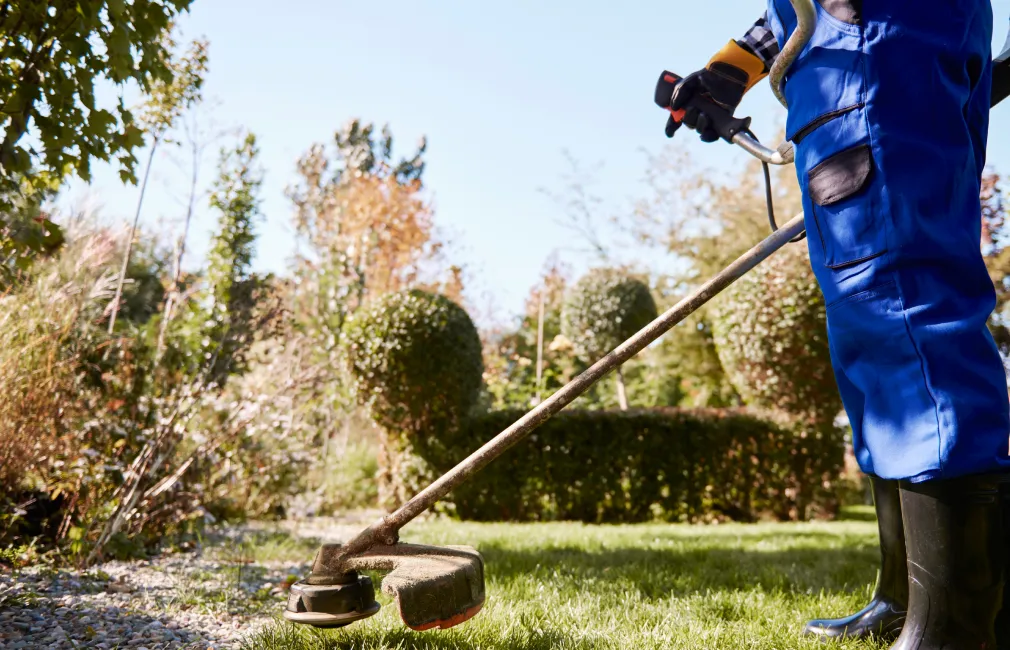
Hamilton Lawn Installation Types

Sod Installation
-
Hydroseeding
-
Artificial Turf Installation
-
Overseeding
-
Native Grass Lawns
-
Drought-Resistant Lawns
-
Eco-Friendly Lawn Solutions
Our Lawn Installation Process
Site Evaluation
Soil Preparation
Sod or Seed Installation
Watering and Initial Care
Final Inspection
Why Choose Hamilton Landscape Services
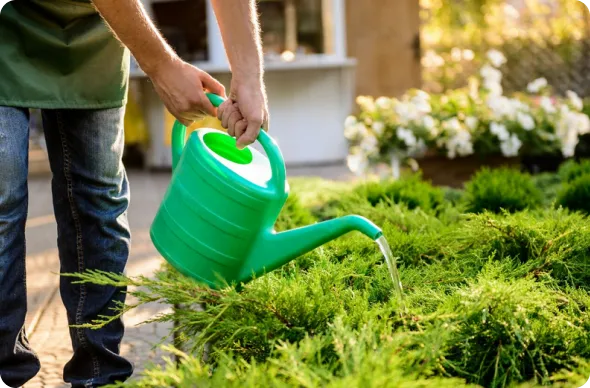
-
Hamilton Homeowners Trust Us
-
Expert Lawn Maintenance
-
Reliable Seasonal Cleanup
-
Competitive Pricing
-
Professional Team
-
Satisfaction Guarantee
-
Personalized Service
Soil Series and Drainage Considerations for Lawn Installation in Hamilton
Hamilton’s predominant soils, including Miami silt loam and Rossmoyne silt loam, are characterized by moderate to poor drainage and a pH range of 6.0-7.0. These glacially-derived soils often require core aeration to a depth of 2-3 inches and the incorporation of 2-3 inches of compost tilled to a 6-inch depth for optimal turf establishment. Soil testing is recommended through OSU Extension (typical cost: $15-25) to determine lime or sulfur amendments. Properties in low-lying areas near the Great Miami River may experience seasonal water tables at 12-18 inches, necessitating raised grading or subsurface drainage. For detailed soil mapping, consult the USDA Web Soil Survey.
City of Hamilton Public Works Department
345 High Street, Hamilton, OH 45011
Phone: (513) 785-7280
Official Website: City of Hamilton Public Works Department
Seasonal Timing and Weather Guidance for New Lawns in Hamilton
Hamilton is located in USDA Hardiness Zone 6a, with optimal cool-season grass seeding windows from April 15 to May 30 (soil temperature 50-65°F) and August 20 to September 30. Avoid seeding during June-August due to heat stress and increased weed competition. Fertilization is best performed in early May and again in September, applying 2-3 lbs nitrogen per 1,000 sq ft annually. Monitor local forecasts through the National Weather Service Wilmington Office for rainfall and frost advisories. Key timing recommendations include:
- Spring seeding: April 15 - May 30
- Fall seeding: August 20 - September 30
- Fertilization: Early May and September
- Avoid: June-August (heat stress period)
Hamilton’s Municipal Lawn Installation Regulations and Permit Requirements
Lawn installation projects in Hamilton must comply with city ordinances regarding equipment operation and site disturbance. Equipment may be operated:
- Monday-Friday: 7:00 AM - 7:00 PM
- Saturday: 8:00 AM - 6:00 PM
- Sunday and holidays: Prohibited Permits are required for grading, irrigation installation, and any work within 25 feet of wetlands or 50 feet of public rights-of-way. Permit fees typically range from $25-$75, with a review period of 5-10 business days. All debris must be disposed of according to city yard waste guidelines, using biodegradable bags or 32-gallon containers for Thursday curbside collection (April-November). For ordinance details and permit applications:
City of Hamilton Building Department
345 High Street, Hamilton, OH 45011
Phone: (513) 785-7350
Official Website: City of Hamilton Building Department
Environmental Compliance: Stormwater, Buffer Zones, and State EPA Oversight
Lawn installation in Hamilton must adhere to Ohio Environmental Protection Act and Clean Water Act requirements, including the city’s MS4 stormwater permit. It is prohibited to allow soil, sod, or grass clippings to enter storm drains. Maintain a 25-foot no-disturbance buffer from wetlands and a 50-foot setback from water bodies such as the Great Miami River. Fertilizer application is restricted within 50 feet of water bodies to prevent nutrient runoff. For environmental compliance questions, contact:
Ohio Environmental Protection Agency Butler County Contacts
401 East Fifth Street, Dayton, OH 45402
Phone: (937) 285-6357
Official Website: Ohio Environmental Protection Agency Butler County Contacts
Professional Standards and Safety Protocols for Lawn Installation in Hamilton
All lawn installation work in Hamilton must meet professional safety and equipment standards. Operators are required to use commercial-grade 4-stroke mowers, with blades sharpened every 20-25 hours of use. Personal protective equipment (PPE) must include:
- Eye protection: ANSI Z87.1 safety glasses
- Hearing protection: Earmuffs or plugs for 85+ dB noise
- Footwear: Steel-toed boots, non-slip soles
- Gloves: Cut-resistant for sod handling Maintain a 15-foot clearance from overhead utilities and follow all traffic control measures when working near public roads. For large projects, coordinate with the city’s engineering department for site access and safety planning.
City of Hamilton Engineering Department
345 High Street, Hamilton, OH 45011
Phone: (513) 785-7350
Official Website: City of Hamilton Engineering Department
What Neighborhoods Do We Serve Throughout Hamilton, OH?
- North End: Features older homes with compacted urban soils and moderate drainage, requiring thorough soil amendment and aeration for successful lawn establishment.
- West Side: Characterized by larger lots and mature tree canopies, presenting challenges with shade and root competition; select shade-tolerant turf varieties and monitor for leaf litter accumulation.
- East Hamilton: Includes areas near the Great Miami River with floodplain soils and seasonal high water tables, necessitating raised grading and careful drainage planning.
- Highland Park: Known for sloped lots and variable soil depths, requiring erosion control measures and attention to runoff during installation.
- German Village: Historic district with narrow lots and potential for fill soils; compliance with local preservation guidelines and careful equipment access are essential.
- New London: Recent developments with well-drained loam soils and fewer mature trees, allowing for standard installation practices but requiring attention to new construction debris.
- Rossville: Proximity to conservation areas and wetlands means strict adherence to buffer requirements and environmental protection standards is necessary.