
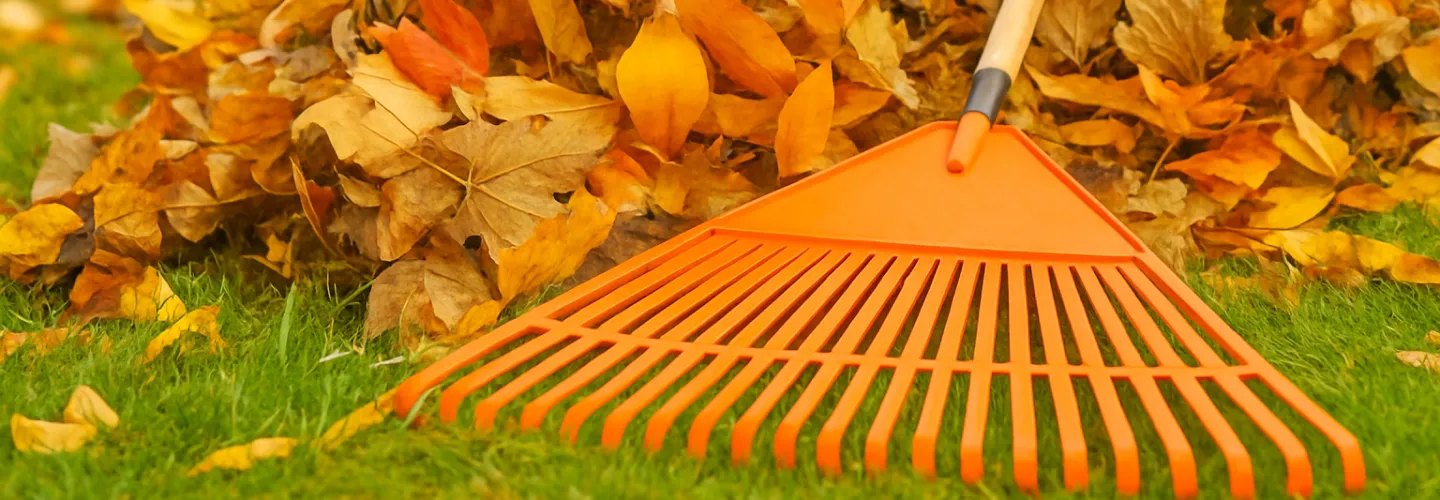
Hamilton Dethatching Lawn Services
Choose our dethatching lawn service for a healthier, greener yard—our experienced team removes built-up thatch to improve water, nutrient, and air flow, ensuring your grass thrives all season long.
Get a Free QuoteOur Hamilton Landscaping & Yard Care Services
When to Schedule Dethatching Lawn in Hamilton, Ohio – Seasonal Guide
In Hamilton, Ohio, the best time to schedule lawn dethatching is typically in early spring or early fall, when grass is actively growing and can recover quickly. The local climate, with its cold winters and humid summers, means that dethatching too early or late in the season can stress your lawn. For neighborhoods near Joyce Park or along the Great Miami River, spring dethatching after the last frost date ensures your lawn isn’t damaged by lingering cold snaps, while fall dethatching allows for recovery before winter dormancy sets in.
Hamilton’s unique landscape features—such as the clay-heavy soils in Lindenwald or the shaded lots in Highland Park—can influence the ideal timing for dethatching. Areas with dense tree coverage may accumulate more thatch, while properties in open, sun-exposed neighborhoods like New London may dry out faster, increasing drought risk. Always consider local precipitation patterns and municipal guidelines, which you can find on the city’s official website, before scheduling your service.
Local Factors to Consider for Dethatching Lawn in Hamilton
- Tree density and shade coverage (affects thatch buildup and moisture retention)
- Soil type (clay soils common in Hamilton may require different timing)
- Recent precipitation and humidity levels
- Frost dates and risk of late cold snaps
- Terrain and drainage (sloped yards may dry out faster)
- Municipal restrictions or recommended maintenance windows
Benefits of Dethatching Lawn in Hamilton
Improved Lawn Health
Enhanced Water Absorption
Boosted Grass Growth
Professional Landscaping Expertise
Reliable Local Service
Efficient and Timely Results
Hamilton Dethatching Lawn Types

Cool-Season Grasses
-
Warm-Season Grasses
-
Fine Fescue Lawns
-
Kentucky Bluegrass Lawns
-
Perennial Ryegrass Lawns
-
Tall Fescue Lawns
-
Mixed Grass Lawns
Our Dethatching Lawn Process
Lawn Evaluation
Preparation and Marking
Dethatching Execution
Cleanup and Disposal
Post-Dethatching Inspection
Why Choose Hamilton Landscape Services
-
Hamilton Homeowners Trust Us
-
Expert Lawn Maintenance
-
Reliable Seasonal Cleanup
-
Competitive Pricing
-
Professional Team
-
Satisfaction Guarantee
-
Personalized Service
Dethatching Lawn Practices for Hamilton’s Clay-Rich Soils and Drainage Patterns
Hamilton’s predominant soils, including Miami silt loam and Rossmoyne silt loam, are characterized by moderate to heavy clay content and variable drainage. These soils often exhibit compaction and slow water infiltration, especially in older neighborhoods and areas with historic fill. Dethatching is most effective when soil moisture is moderate and the thatch layer exceeds 0.5 inches, as excessive thatch can impede water movement and root growth. Soil pH in Hamilton typically ranges from 6.0 to 6.8, supporting cool-season turfgrasses such as Kentucky bluegrass (Poa pratensis) and perennial ryegrass (Lolium perenne). For optimal results:
- Conduct dethatching when the thatch layer is 0.5–1 inch thick
- Use core aeration to a depth of 2–3 inches for compacted clay soils
- Incorporate compost at 2–3 inches depth to improve structure
- Test soil through OSU Extension for pH and nutrient status Research local soil series using the USDA Web Soil Survey to tailor dethatching and amendment strategies for your property.
Seasonal Timing and Weather Considerations for Dethatching in Hamilton
Hamilton is located in USDA Hardiness Zone 6a, with cool-season turf growth peaking in spring and fall. The optimal window for dethatching is late March through mid-April or mid-September through early October, when soil temperatures are between 50°F and 65°F and turf is actively growing. Avoid dethatching during summer heat (June–August) or when soil is saturated, as this can damage turf and increase compaction. Monitor local weather forecasts through the National Weather Service Wilmington Office to avoid scheduling work before heavy rainfall or frost. Recommended timing guidelines:
- Spring dethatching: March 20 – April 15
- Fall dethatching: September 10 – October 10
- Avoid: June–August (heat stress), November–February (dormancy)
- Soil temperature: 50–65°F for best turf recovery Proper timing reduces turf stress and supports rapid recovery, especially on Hamilton’s compacted soils.
Municipal Yard Waste Collection and Dethatching Debris Disposal in Hamilton
Proper disposal of dethatching debris is regulated by Hamilton’s municipal yard waste program. The City of Hamilton provides weekly curbside yard waste collection every Thursday from April through November. Residents must use biodegradable paper bags or reusable bins (32-gallon maximum) for thatch and grass clippings; plastic bags are prohibited. Branches and brush must be under 4 feet in length and less than 4 inches in diameter. Prohibited materials include soil, rocks, and branches exceeding size limits. Collection guidelines:
- Weekly pickup: Thursday, April–November
- Accepted: Thatch, grass, leaves, brush under 4 feet
- Containers: Biodegradable bags or 32-gallon bins
- Prohibited: Plastic bags, branches over 4 inches diameter Improper disposal may result in code violations or missed pickups. For detailed collection schedules and requirements:
City of Hamilton Public Works Department
345 High Street, Hamilton, OH 45011
Phone: (513) 785-7280
Official Website: City of Hamilton Public Works Department
Environmental Compliance: Stormwater Protection and Buffer Zones in Hamilton
Dethatching activities in Hamilton must comply with local and state environmental regulations to protect the Great Miami River, Mill Creek, and associated wetlands. The City’s MS4 permit, administered under the Clean Water Act and Ohio Environmental Protection Act, prohibits the discharge of yard waste, thatch, or soil into storm drains. Maintain a minimum 25-foot no-disturbance buffer from wetlands and water bodies, and never deposit debris in drainage ditches or near stormwater inlets. Key compliance steps:
- Maintain 25-foot buffer from wetlands and streams
- Do not place thatch or clippings in storm drains
- Use erosion control (silt fence, wattles) on slopes
- Follow MS4 permit requirements for debris management For questions on stormwater compliance:
Ohio Environmental Protection Agency Butler County Contacts
401 East Fifth Street, Dayton, OH 45402
Phone: (937) 285-6357
Official Website: Ohio Environmental Protection Agency Butler County Contacts
Equipment Operation Hours and Safety Standards for Dethatching in Hamilton
Hamilton enforces municipal noise ordinances and equipment safety standards for lawn care operations. Permitted hours for powered dethatching equipment are:
- Monday–Friday: 7:00 AM – 7:00 PM
- Saturday: 8:00 AM – 6:00 PM
- Sunday and holidays: Prohibited Operators must use commercial-grade dethatchers with functioning mufflers, and noise levels should not exceed 85 decibels at property lines. All personnel must wear ANSI Z87.1 safety glasses, hearing protection for equipment over 85 dB, and steel-toed boots. Maintain a 15-foot clearance from overhead utilities and public sidewalks. Safety checklist:
- Eye protection: ANSI Z87.1 safety glasses
- Hearing protection: Earmuffs/plugs for 85+ dB
- Footwear: Steel-toed, non-slip boots
- Equipment: Commercial dethatcher, muffler in working order For additional safety and code enforcement information:
City of Hamilton Building Department
345 High Street, Hamilton, OH 45011
Phone: (513) 785-7350
Official Website: City of Hamilton Building Department
What Neighborhoods Do We Serve Throughout Hamilton, OH?
- North End: Features older homes with compacted Miami silt loam soils and moderate drainage, requiring frequent dethatching and aeration for healthy turf.
- Highland Park: Characterized by mature tree canopy and heavy leaf litter, leading to increased thatch accumulation and the need for regular debris management.
- German Village: Historic district with narrow lots and Rossmoyne silt loam soils; access limitations and strict code enforcement affect equipment use and debris placement.
- West Side: Includes larger lots and newer developments with variable fill soils, often exhibiting poor drainage and requiring customized dethatching schedules.
- East Hamilton: Proximity to Mill Creek and floodplain areas necessitates strict adherence to buffer zones and stormwater protection during dethatching.
- Lindenwald: Dense residential area with high foot traffic and compacted turf, making dethatching and soil amendment essential for turf recovery.
- Riverside: Located near the Great Miami River, this area faces periodic flooding and requires careful debris management to prevent waterway contamination.